
Last Bite Mosquito
Mosquito & Tick Control
Tick Prevention
Tick Prevention
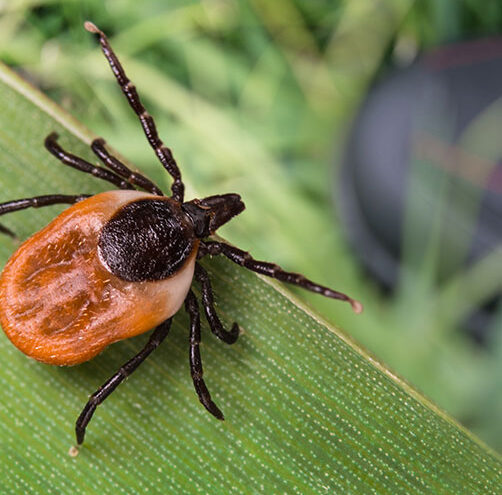
Trusted, Experienced Tick Prevention Services in NJ, PA, DE and the Eastern Shore of MD
When it comes to protecting yourself and your family from tick-related diseases, it is important to understand the problems associated with ticks and what you can do to prevent ticks in your yard and in your home. One of the best ways to prevent ticks is to work with an experienced tick prevention team that can spray down all the areas in your yard where ticks might reside. The team at Last Bite Mosquito & Tick Control uses state-of-the-art tools and chemicals to keep your yard pest-free so you can enjoy spending time outdoors without worry.
Is Tick Prevention Treatment Safe For Your Family and Pets?
We use an EPA-approved water-based solution that contains the synthetic version of Pyrethrum (an organic compound called pyrethroids) which comes from the flower heads of Chrysanthemums (The African Daisy). Pyrethroids are used in lice shampoos for children and are also found in flea shampoos for dogs. We do recommend staying out of the treated area until it dries, which in most cases is about thirty minutes.
Types of Ticks in The Mid-Atlantic
Several species of ticks can be found in Last Bite’s covered service areas. The most common are:
Black-Legged Ticks
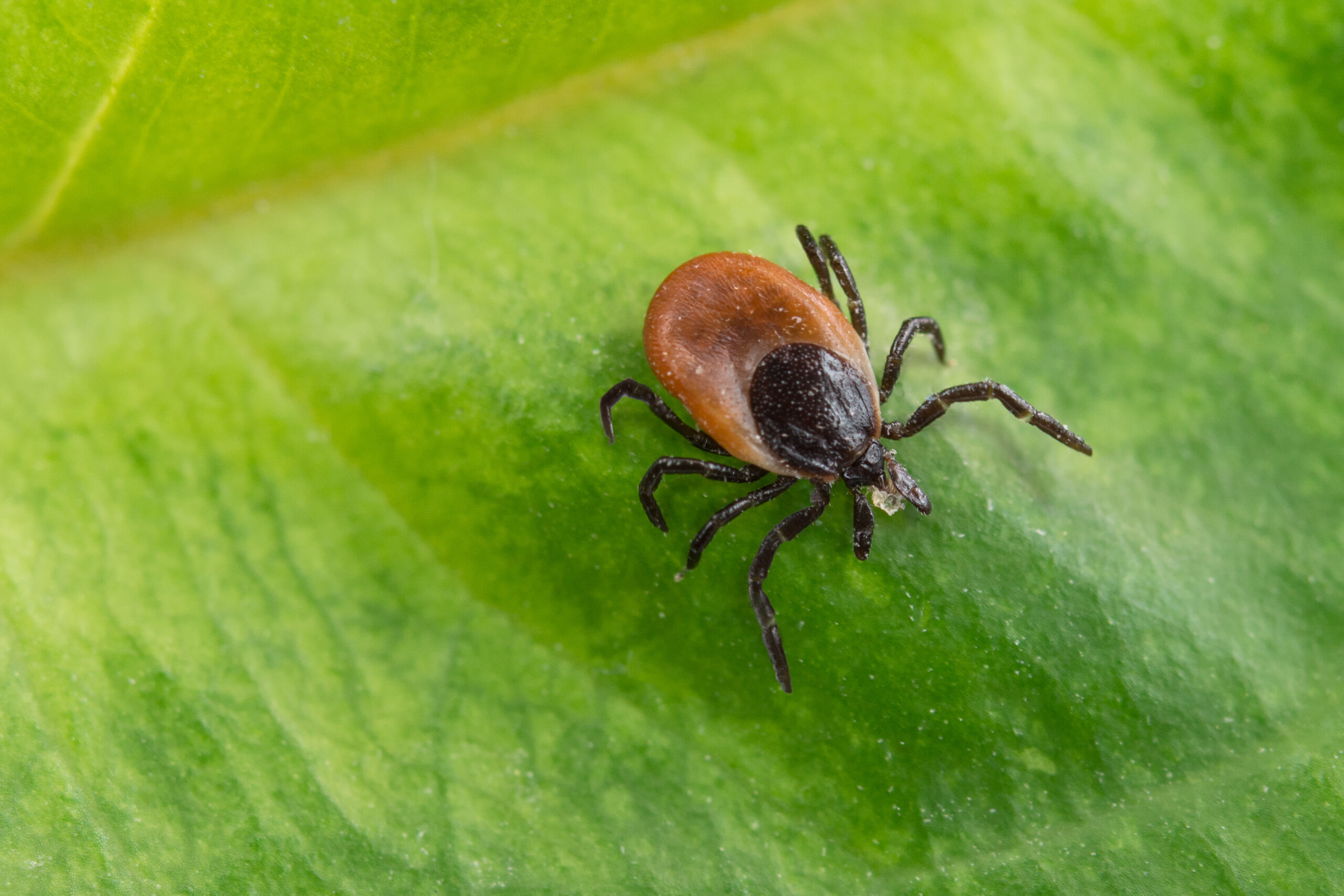
Also known as deer ticks, black-legged ticks are reddish-brown with a black shield below the head. They have small, flat, oval-shaped bodies. They are responsible for transmitting several diseases to humans and pets, such as:
- Lyme disease
- Anaplasmosis, which primarily sickens cattle, sheep, and dogs, but humans can also be infected. Symptoms of this disease resemble the flu and include fever, muscle aches, and fatigue.
- Babesiosis, which causes similar symptoms to anaplasmosis but may be fatal to the elderly and people with compromised immune systems.
American Dog Ticks
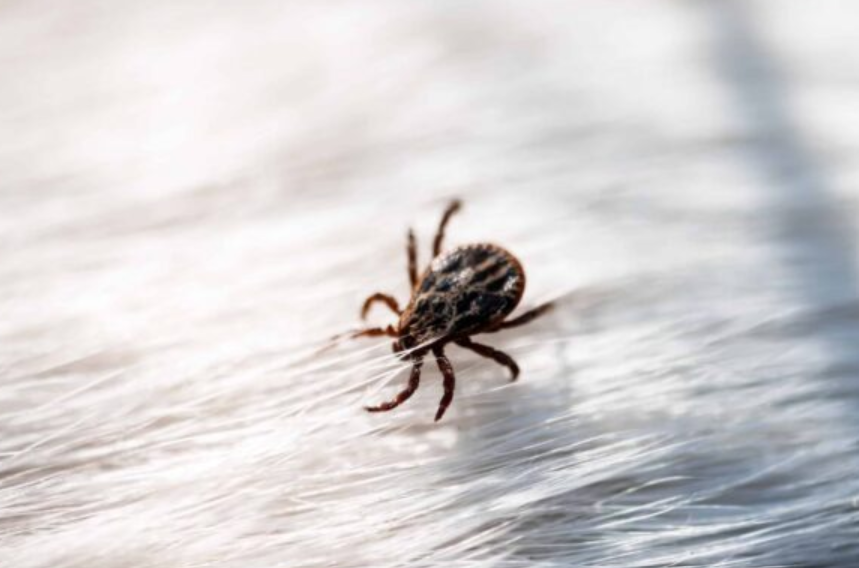
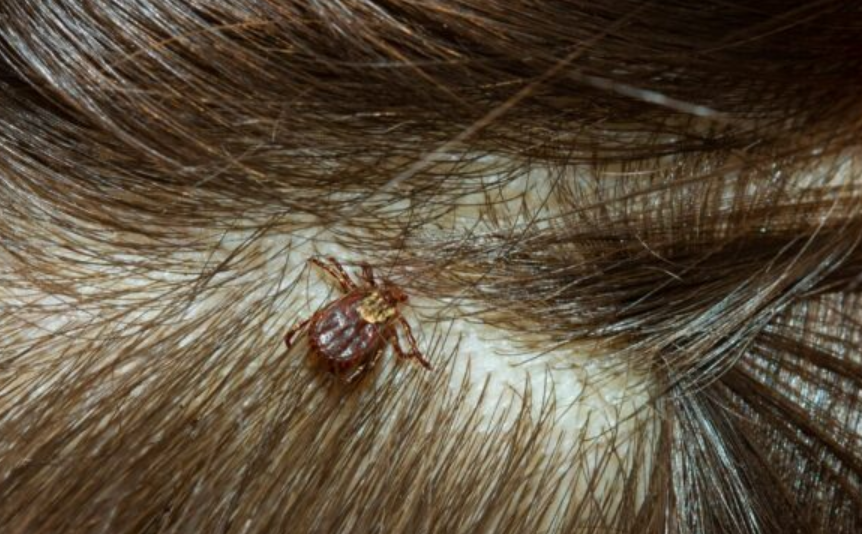
American dog ticks have an oval body shape and a reddish-brown color with grey or white markings. This tick species transmits Rocky Mountain Spotted Fever to humans and animals. Common symptoms involve fever, headache, muscle aches, and a spotted rash that initially develops on the wrists and ankles but can spread to other parts of the body.
Brown Dog Ticks
Brown dog ticks are reddish-brown, but lack markings and can be either oval or teardrop-shaped. This tick species has adapted to living and reproducing indoors. Dogs staying in kennels are particularly vulnerable to brown dog ticks. Diseases transmitted by this type of tick include:
- Canine ehrlichiosis
- Canine babesiosis
Lone Star Ticks
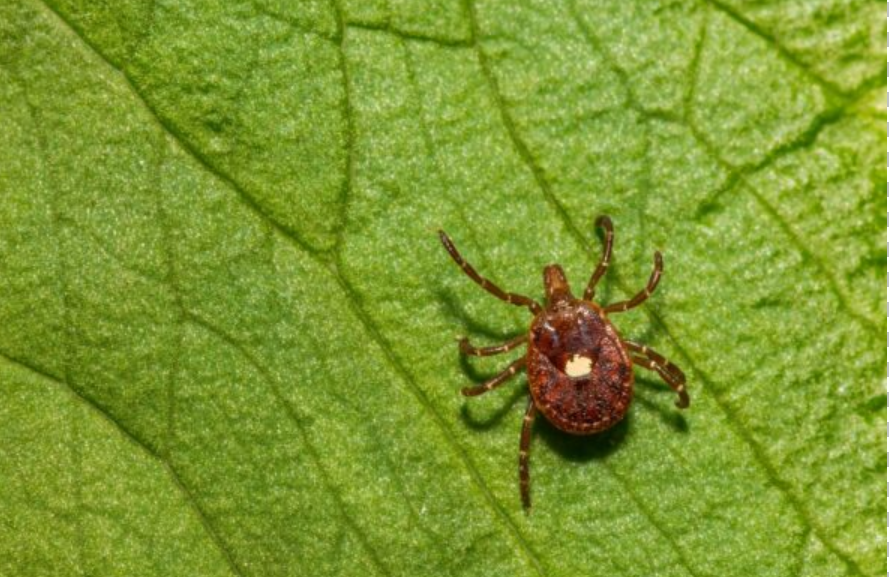
Lone star ticks are common in eastern, south-central, and southwestern U.S. They are another reddish-brown tick. Females have a white spot on their back, and males have white streaks or spots along the edges. This tick species often transmits Alpha-gal syndrome, which causes hives, severe stomach issues, and anaphylaxis, typically 2-6 hours after eating beef, pork, or lamb.
How to Avoid Tick Bites
Anything you do to reduce the amount of wildlife in your yard will help in reducing ticks. Ticks generally won’t make it into your yard on their own. They ride into your yard on animals. Keep your exterior trash cans sealed, and protect any food sources that are growing in your yard to deter larger animals. Make sure shrubs are trimmed neatly and reduce or remove vegetation near your foundation walls to deter rodents. Ticks can also use birds as hosts, and that means your bird feeders might be increasing the tick population.
Here are a few ways to avoid tick bites:
- Wear closed-toe shoes and long-sleeved clothing
- Tuck your pants into your socks. You’ll look a bit ridiculous, but it works!
- Wear light-colored clothing which will help you spot potential ticks easier
- Wash off as soon as you get home to get rid of any loose ticks
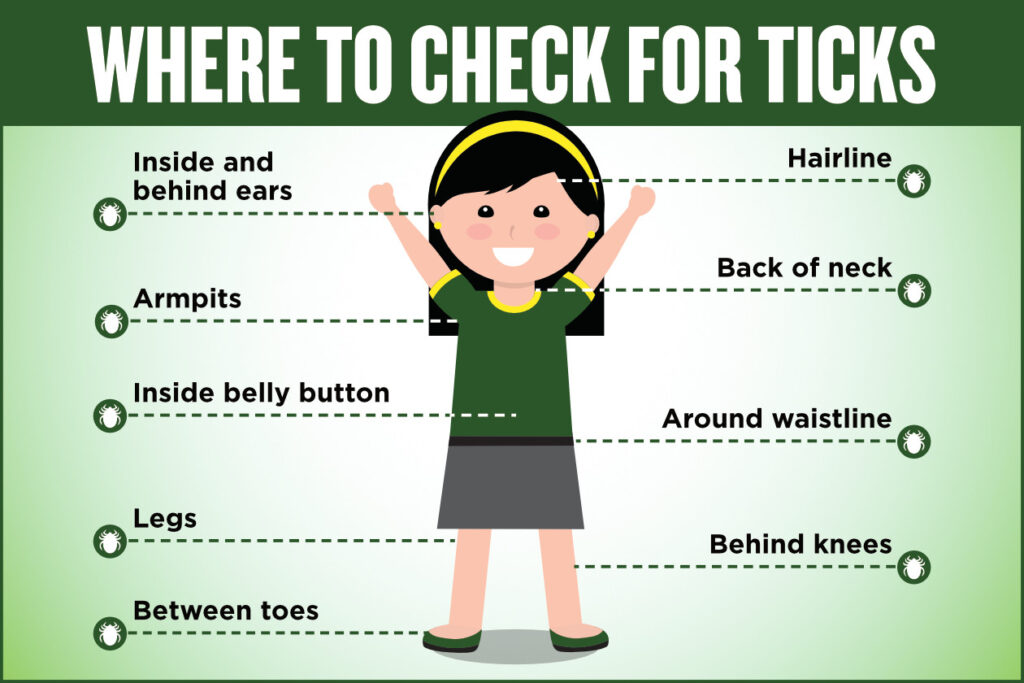
- Do a full-body check of yourself, your kids, and your pets if you’ve come back from a tick prone location
Tick-Proofing Your Property
There are a number of things you can do to help mitigate the number of ticks in your yard. While a tick prevention company is the best way to fight ticks, some of the things you can do on your own include:
- Keep any tall grasses mowed and keep vegetation neatly trimmed
- Remove any leaf litter or weeds on the edge of your lawn
- Remove all brush and leaves around stone walls and woodpiles
- Move woodpiles away from the house
- Start to rake when leaves eventually fall
- Pets and kids should stay out of the woods to avoid bringing ticks back to your home
- Move swings or sandboxes away from the woodland edge
- Wash clothes in hot water after returning from a tick-ridden area
Granular Tick Control
Last Bite’s only trusted method for treating ticks around lawns is granular application. This has proven more effective and focused than heavy liquid treatments on affected areas. Our services focus on combining liquid applications and tick granules to implement targeted treatments based on weather and specific property conditions.
During cooler seasons like early spring and fall, there is less foliage. This makes granular tick control more effective than liquid treatments. Tick control granules are also very useful in:
- High foliage areas
- Wooded areas
- Dense tree lines
This is because tick granules help provide control in under-landscaped and shaded areas where ticks often thrive.

Contact Last Bite Mosquito & Tick Control Today
Our number one goal is to help you reclaim your yard by safely eliminating pesky mosquitoes and ticks. Our commitment is to provide the best quality service for all of our customers, both large and small! Whether you are looking for a long-term tick prevention option or one-time treatment service, we have got you covered! Our team of professional application technicians is courteous, well trained, insured, and licensed for pest control in the State of New Jersey. We look forward to helping you reclaim your yard! Contact us today to learn more about our services.
RECLAIM YOUR YARD
CAN'T WAIT?

QUICK LINKS
Sign Up for Exclusive Content & Special Offers
ALSO OF INTEREST
Footer
CONTACT US
3408 Sunset Ave.
Ocean, NJ 07712
Mailing Address:
P.O. Box 158
Liberty Corner, NJ 07938