
Last Bite Mosquito
Mosquito & Tick Control
Get Rid of Mosquitoes and Ticks in Cape May County
Get Rid of Mosquitoes and Ticks in Cape May County

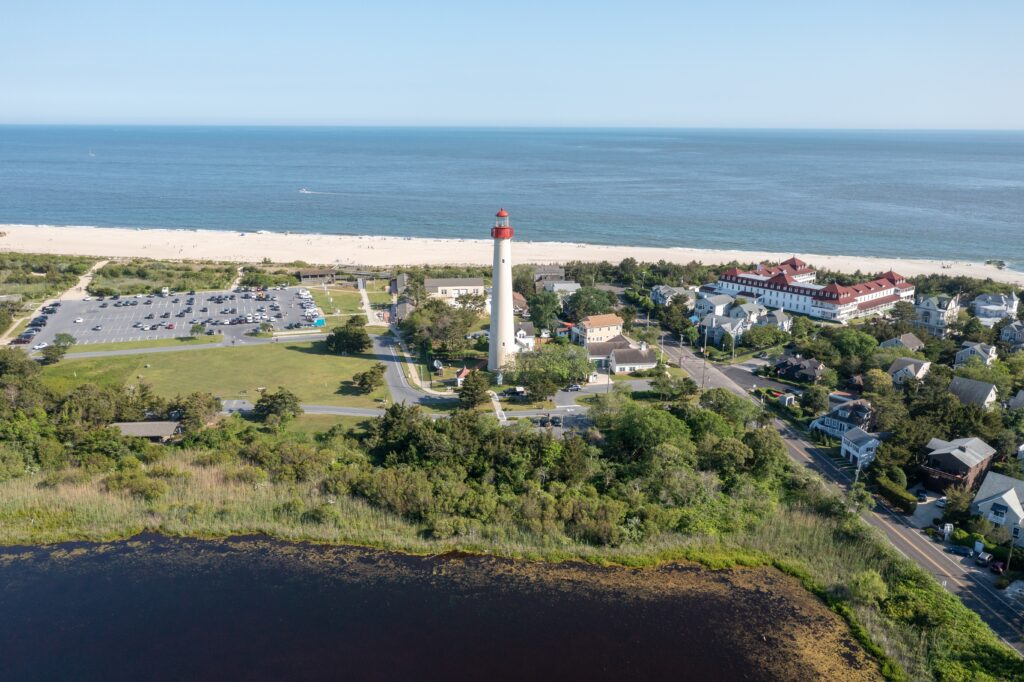
As the oldest seaside resort in the United States, Cape May offers abundant classical charm, natural beauty, and a large collection of Victorian homes and buildings. The diverse attractions that range from pristine waterfronts, world-class birdwatching opportunities, historic lighthouses, picturesque wineries, and stunning autumn foliage draw visitors during all seasons of the year. Whether you’re one of the lucky ones who lives in the area year-round or someone with a summer home, you’re probably already aware of many of the challenges that come with coastal living — not the least of which come in insect form.
Mosquitos and ticks thrive in the coastal atmosphere of Cape May County, and you may have already experienced how quickly a swarm of mosquitos can send you and your family running for cover when trying to enjoy an outdoor activity. Ticks present a different type of threat, potentially transmitting serious bacterial, viral, and parasitic disease to both humans and their pets. Fortunately, Last Bite Green has extensive experience in keeping the homes and businesses of Cape May County and surrounding communities safe from the havoc that these insect pests can wreak on their everyday lives using top-quality, state-of-the-art methods.
Mosquito Control in Cape May County, NJ
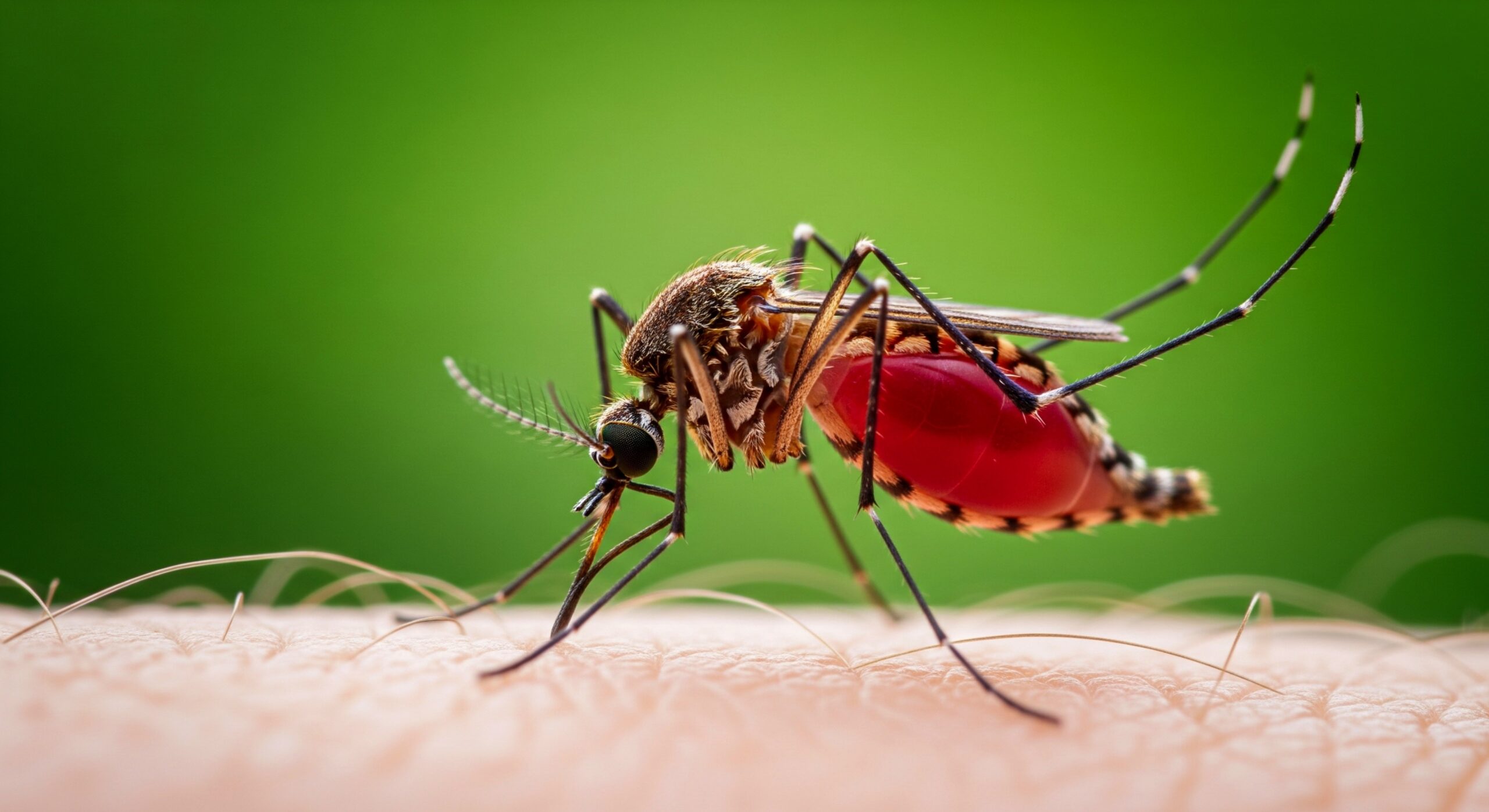
Mosquito season in Cape May County typically starts during with the warmer temperatures and increased rainfall of April and May and runs until the first hard frost of autumn, which usually occurs during the month of October. Summers on or near the coast are hot and humid, providing mosquitos with plenty of time to torment their victims. The marshes and wetlands that characterize Cape May’s coastal geography are prime breeding grounds for mosquitos, ensuring their populations remain substantial.

In2Care Mosquito Traps in Cape May
Approved by the Environmental Protection Agency, In2Care Mosquito Traps utilize a type of fungus that kills mosquitos but causes absolutely no harm to the surrounding environment. As the first treatment to use biological controls, In2Care is a trustworthy treatment that is backed by actual field data that shows its effectiveness in treating both fully grown mosquitos and their larvae.
Tick Control in Cape May County
Although ticks are usually associated with off-the-beaten-track wooded areas, they can also set up shop in your backyard. New Jersey’s most common type of tick is the Blacklegged Tick, which begin to transmit disease during their nymphal stage — when they are unlikely to be noticed by hosts due to their small size. Our skilled tick prevention team can quickly identify areas of your yard where ticks are likely to be lurking and apply treatments to keep your family and pets safe.
Contact Last Bite in Cape May for More Information
Give us a call for more information on getting started on pest-free living in Cape May County, NJ. We bring years of experience and deep knowledge of local pests to the table, so don’t hesitate to find out why Cape May home and business owners trust us for all of their pest control needs.
RECLAIM YOUR YARD
CAN'T WAIT?

QUICK LINKS
SERVICE AREAS
Sign Up for Exclusive Content & Special Offers
ALSO OF INTEREST
Footer
CONTACT US
3408 Sunset Ave.
Ocean, NJ 07712
Mailing Address:
P.O. Box 158
Liberty Corner, NJ 07938